



This remarkable discovery not only corroborates historical accounts but also provides tangible evidence of the extreme challenges faced by early explorers attempting to control the strategic maritime routes of the New World. The coin, a "real de a ocho" or piece of eight, serves as a poignant reminder of the ambitions and subsequent failures of the Spanish Empire in the unforgiving environment of Patagonia.
- 500 Years Ago Today Magellan and Elcano Set Sail to Conquer the World
- The First Circumnavigation of the World Happened by Accident, Not Design
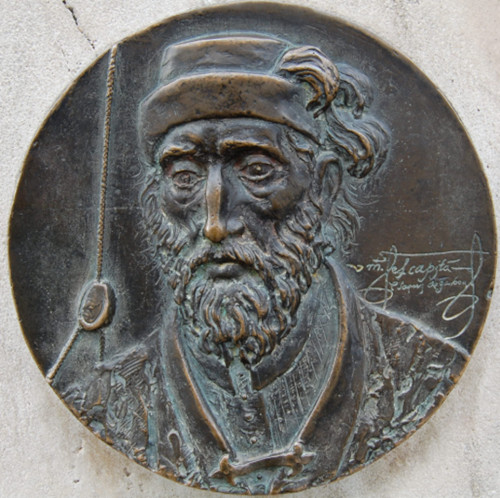
Bronze relief portrait of Pedro Sarmiento de Gamboa. (Raimundo Pastor / CC BY-SA 4.0)
Sarmiento de Gamboa
In the late 16th century, the Strait of Magellan was a crucial and contested waterway. Following the successful circumnavigation of the globe by Ferdinand Magellan and the subsequent incursions by English privateers like Sir Francis Drake, the Spanish Crown sought to secure this vital passage. King Philip II of Spain commissioned Pedro Sarmiento de Gamboa to fortify the strait and establish settlements to prevent further English navigation into the Pacific Ocean.
Sarmiento de Gamboa set sail with a fleet of ships and hundreds of colonists, but the expedition was plagued by misfortune from the start. Storms, shipwrecks, and desertions severely depleted their numbers before they even reached the strait. Despite these setbacks, Sarmiento managed to found two settlements in 1584: Nombre de Jesús and Ciudad del Rey Don Felipe.
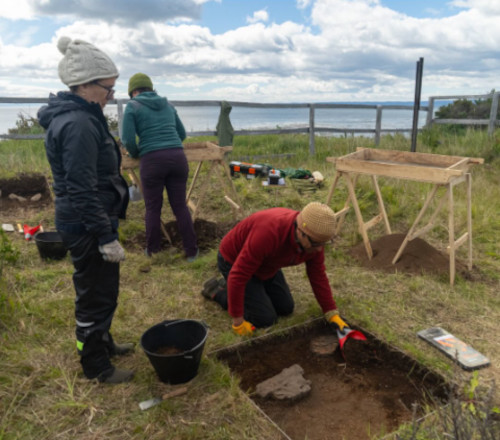
Excavations at Puerto del Hambre, Magallanes, where the significant coin was found. (Centro de Estudios Históricos y Humanidades)
The Tragedy of Port Famine
Ciudad del Rey Don Felipe was situated in a particularly harsh and desolate area. The colonists, ill-equipped for the brutal Patagonian winter and lacking sufficient agricultural knowledge for the region, quickly found themselves in dire straits. The rocky soil and relentless winds made farming nearly impossible, and the local indigenous populations, understandably wary of the newcomers, offered little assistance.
- The Conquest of the Spanish and the End of the Inca Empire
- The Forgotten Story of Spanish Conquerors in North America
Sarmiento de Gamboa left the colony to seek supplies and reinforcements, but his ship was blown off course, and he was eventually captured by the English. The colonists left behind at Rey Don Felipe were abandoned to their fate. When the English navigator Thomas Cavendish visited the site in 1587, he found only a handful of survivors among the ruins and unburied bodies. Appalled by the scene, Cavendish renamed the place "Port Famine" (Puerto del Hambre), a name that has endured through the centuries.
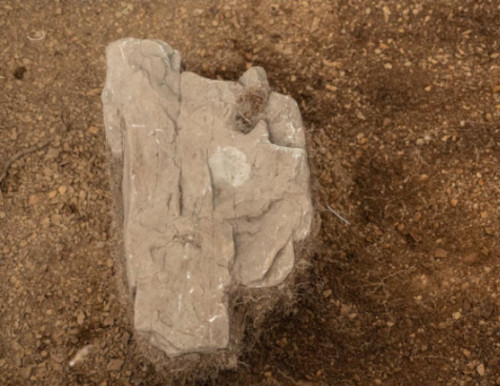
Stone uncovered of the church near where the coin was found. (Centro de Estudios Históricos y Humanidades)
The Discovery of the Silver Coin
The recent discovery of the Port Famine coin at the site of Rey Don Felipe is a significant archaeological breakthrough. The coin, identified as a "real de a ocho" minted during the reign of Philip II, was found during excavations led by the Centro de Estudios Históricos y Humanidades. This type of silver currency was widely used throughout the Spanish Empire and was a standard denomination for trade and military pay.
The presence of the coin at this specific location provides undeniable proof of the Spanish settlement. It is believed that the coin may have been buried intentionally, perhaps as part of a foundation deposit or a desperate attempt to hide valuables. The exact coordinates of the find have allowed archaeologists to map the layout of the ill-fated colony more accurately, offering new insights into the daily lives and struggles of its inhabitants.
Unearthing the Past
The ongoing excavations at Port Famine continue to yield fascinating artifacts and information about this dark chapter in colonial history. The discovery of the Port Famine coin is just one piece of the puzzle. Researchers are also studying the remains of the rudimentary structures built by the colonists, as well as the few tools and personal items they left behind.
These findings highlight the stark contrast between the grand imperial ambitions of the Spanish Crown and the harsh reality of survival in one of the most inhospitable regions on Earth. The story of Port Famine serves as a cautionary tale about the limits of human endurance and the devastating consequences of inadequate planning and extreme environmental conditions.
Top image: The silver coin found at the Port Famine site. Source: Richard Bezzaza/ Centro de Estudios Históricos y Humanidades
By Gary Manners
References
Arkeonews. 2026. 440-Year-Old Silver Coin Pinpoints Exact Location of Spain’s Doomed “Port Famine” Colony. Available at: https://arkeonews.net/440-year-old-silver-coin-pinpoints-exact-location-of-spains-doomed-port-famine-colony/
Heritage Daily. 2026. Coin discovery confirms location of lost Magellan colony. Available at: https://www.heritagedaily.com/2026/03/coin-discovery-confirms-location-of-lost-magellan-colony/157596
La Brujula Verde. 2026. The coin buried in 1584 during the founding of Rey Don Felipe in the Strait of Magellan, the city whose colonists died of starvation, has been found. Available at: https://www.labrujulaverde.com/en/2026/03/the-coin-buried-in-1584-during-the-founding-of-rey-don-felipe-in-the-strait-of-magellan-the-city-whose-colonists-died-of-starvation-has-been-found/





![The Great Pyramid Of Giza Top image: The Great Pyramid of Giza under a starlit sky, highlighting the North Face. Source: [Pixabay/Creative Commons] Image](/sites/default/files/styles/article_popular/public/field/image/Great%20Pyramid%20Of%20Giza_0.jpg?itok=EjAqNQlu)


_Alcal%C3%A1_de_Henares.png)